
Ramping Up Oil Production post January 2026 Worsens Venezuela’s Power Crisis, Experts Say
Venezuela | Amid the persistent electricity crisis facing Venezuela which have been getting worse since February— manifested in unscheduled power outages lasting up to eight hours daily across various regions— Aula Abierta maintains continuous monitoring and research into its root causes and its impact on Economic, Social, Cultural, and Environmental Rights (ESCER), as well as on academic and scientific activities within higher education.}
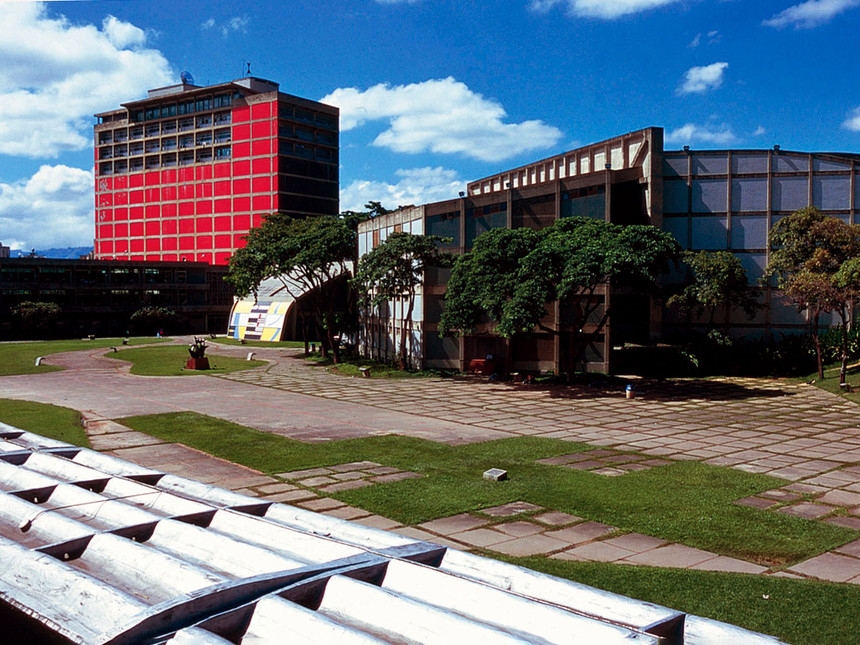
In this context, the latest edition of Aula Abierta Radio featured University Central of Venezuela (UCV) Dean of the Faculty of Engineering, Dr. Julio Molina. An electrical engineer holding a doctorate in the field, Dr. Molina is an expert in power supply quality, power system modeling, and renewable energy. During the interview, he analyzed the key drivers behind the recent surge in the frequency and duration of blackouts, noting that the current situation largely stems from the shifting of the oil industry’s energy load onto the national power grid.
Oil Production and the Shift in Electrical Demand
Molina explained that domestic hydrocarbon production rose from 500,000 barrels per day to nearly one million, with a short-term target of 1.25 million barrels per day. However, this industrial growth relies on the National Electric System (SEN) rather than dedicated energy infrastructure.
«In the past, PDVSA had its own power generation capacity, so any increase in production had a negligible impact on the national grid. Today, those generation systems are virtually dormant, forcing both state and private oil sectors to draw power from the SEN. Consequently, power must be rationed in other sectors,» the specialist stated.
Gap Between Actual Generation and National Demand
The UCV Engineering Dean detailed that Venezuela currently records a national demand of approximately 16,000 megawatts (MW), compared to an actual generation capacity of barely 12,000 MW. This deficit, exceeding 4,000 MW, is exacerbated by the oil industry’s additional power requirements and climatic events such as El Niño.
The expert estimated that boosting oil production to 1.25 million barrels per day will add at least 200 MW in electrical demand. Given this outlook, he argued that a technically viable solution would be for the oil sector to resume self-generation using natural gas associated with crude extraction.
Furthermore, Molina recalled that Venezuela possesses an installed capacity of roughly 30,000 MW; however, nearly 18,000 MW remain non-operational due to unfinished infrastructure projects, sustained underinvestment, and systemic public sector corruption. «Evidently, the unavailability of those 18,000 MW is tied to the obsolescence of the power systems themselves—particularly thermal plants that have been operating for decades and should have been replaced, but were not due to a lack of investment,» he emphasized.
Legal Censorship, Opacity, and Violations of Academic Freedom
One of the most critical issues highlighted by Dr. Molina is the university sector’s inability to access official data to diagnose the SEN and formulate scientific solutions. The lack of public data leaves citizens in uncertainty and hinders academic work.
The expert stressed the urgency of reforming the current regulatory framework, which classifies electrical power as a strategic security asset and imposes prison sentences on those who disclose operational grid data. He explained that university research centers previously had access to daily operational data to build power models, conduct technical analyses, and propose public policies.
From the perspective of international human rights standards and the Inter-American Principles on Academic Freedom and University Autonomy, the restrictive classification of operational data and the criminalization of its disclosure constitute a direct violation of academic freedom—specifically the right to research, produce, and disseminate scientific knowledge for public benefit.